
Paul Robeson
April 9, 1898 - January 23, 1976)
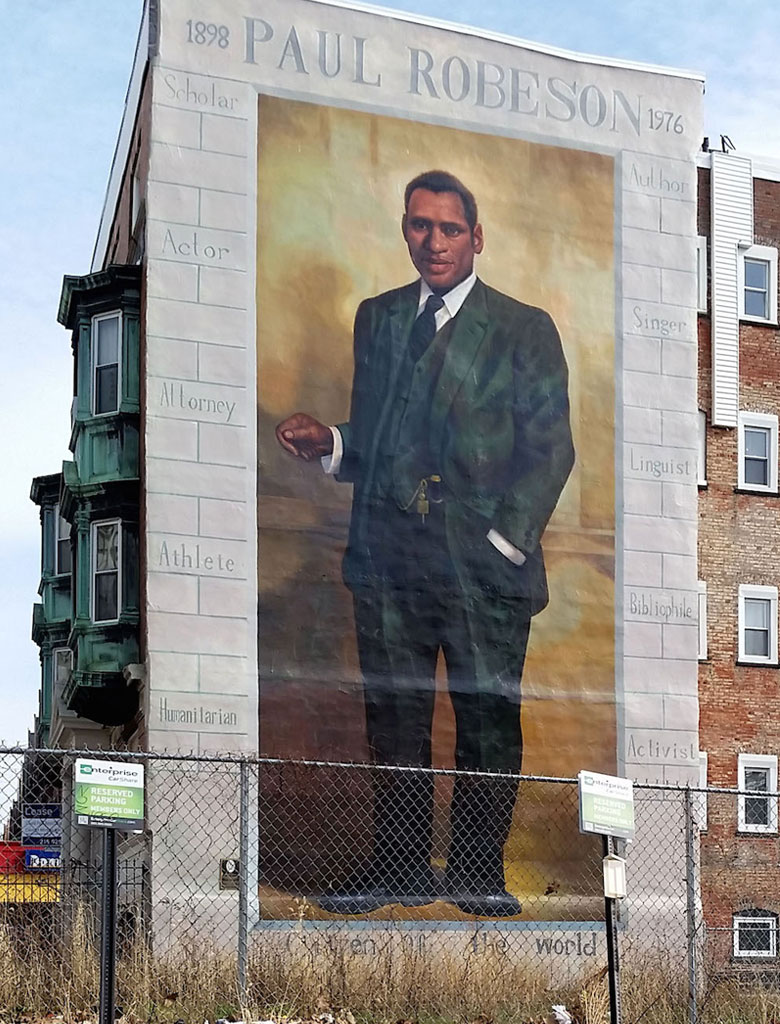
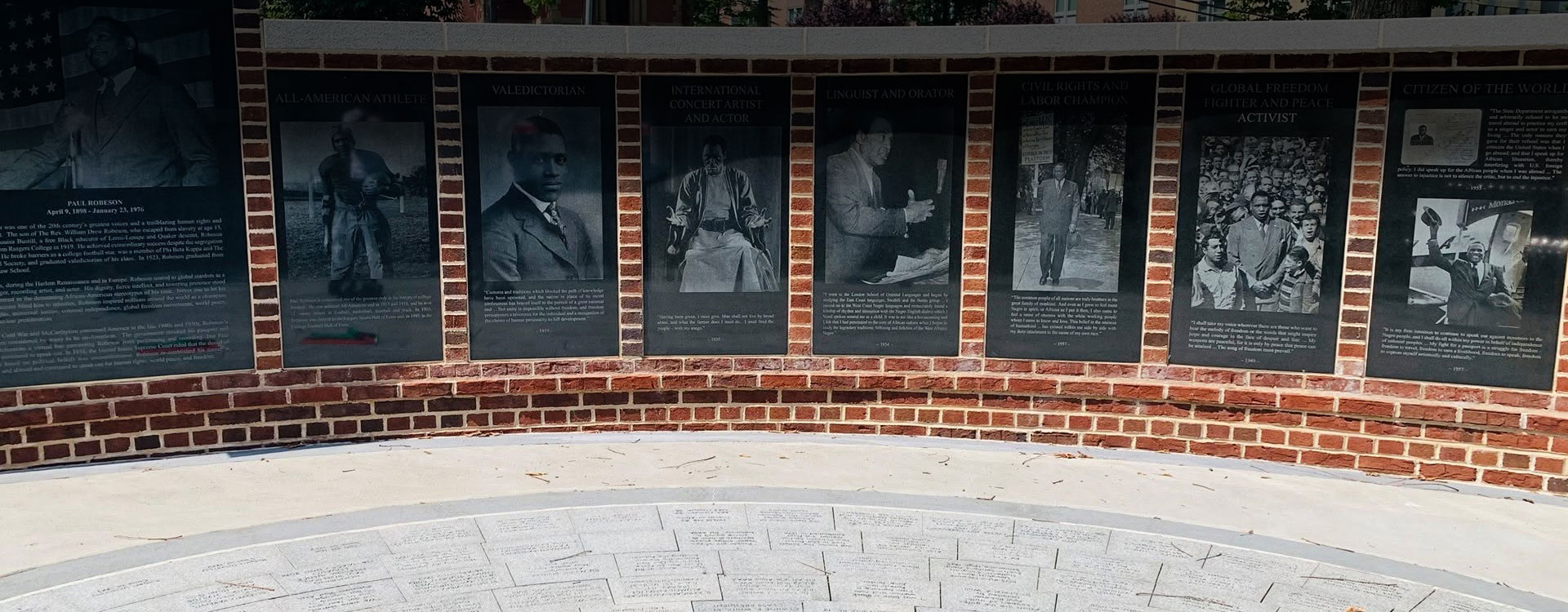
Paul Robeson was an internationally acclaimed artist, scholar, athlete, and human rights advocate whose life reflected a profound commitment to justice and equality. His achievements in music, theater, and public life were inseparable from his advocacy for civil rights, labor justice, and global anti-colonial movements.
Central to understanding Robeson’s life and legacy are his formative years in Somerville, New Jersey, an essential but often overlooked chapter of his story. During this period, his father, Reverend William Drew Robeson, served as pastor of St. Thomas AME Zion Church from 1910 until his death in 1918. It was within this community—shaped by faith, education, and civic engagement—that the earliest documented expressions of Robeson’s extraordinary talents emerged. As historian Dr. Randall Westbrook has observed, “Everything for which he’d later be famous—singing, oratory, athletics, acting—the first time we have evidence of him doing it was in Somerville.”
Through pop-up exhibits and community-based learning experiences, Robeson’s story continues to animate public spaces, transforming ordinary settings into places of reflection and dialogue. His life demonstrates how art, education, and shared memory can illuminate histories of resistance and solidarity, reminding us of our collective power to confront injustice and advance dignity and understanding for all.
A Voice for Justice, Art, and Equality
Early Life and Education
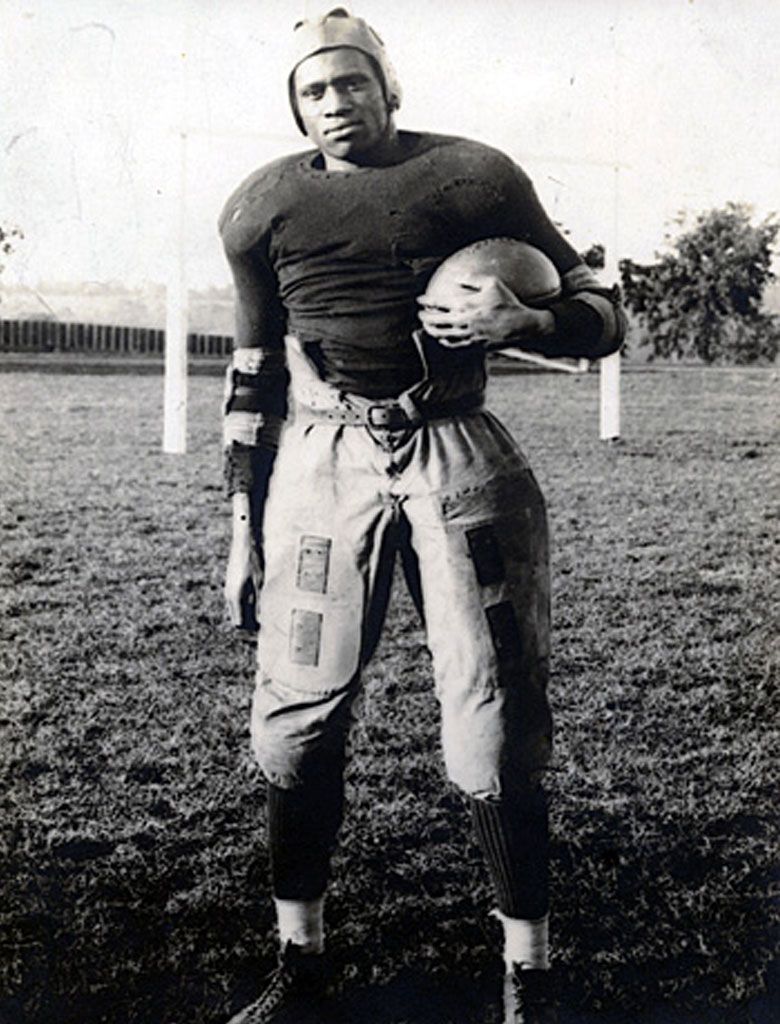
Paul Leroy Robeson was born on April 9, 1898, in Princeton, New Jersey. The son of a formerly enslaved father and a mother dedicated to education, Robeson developed a strong commitment to learning, justice, and equality. He excelled academically and athletically, earning a scholarship to Rutgers University, where he became a two-time All-American football player and class valedictorian. He later attended Columbia University Law School, preparing for a career in law before discovering his greater calling in the arts and activism.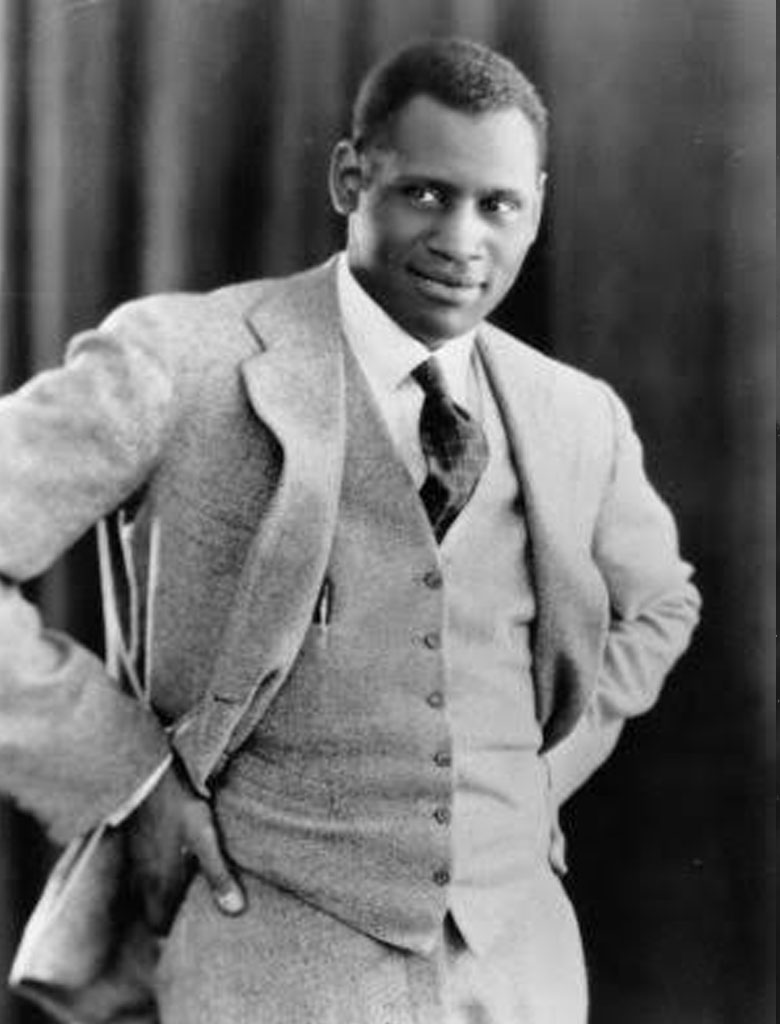
Rise as an Artist and Performer
After briefly practicing law, Robeson turned to theater and music, becoming one of the most respected performers of his generation. His deep, powerful bass voice and commanding stage presence brought him international recognition. He starred in acclaimed productions such as Othello and performed spirituals, folk songs, and works from around the world. His artistry broke racial barriers and established him as a cultural ambassador.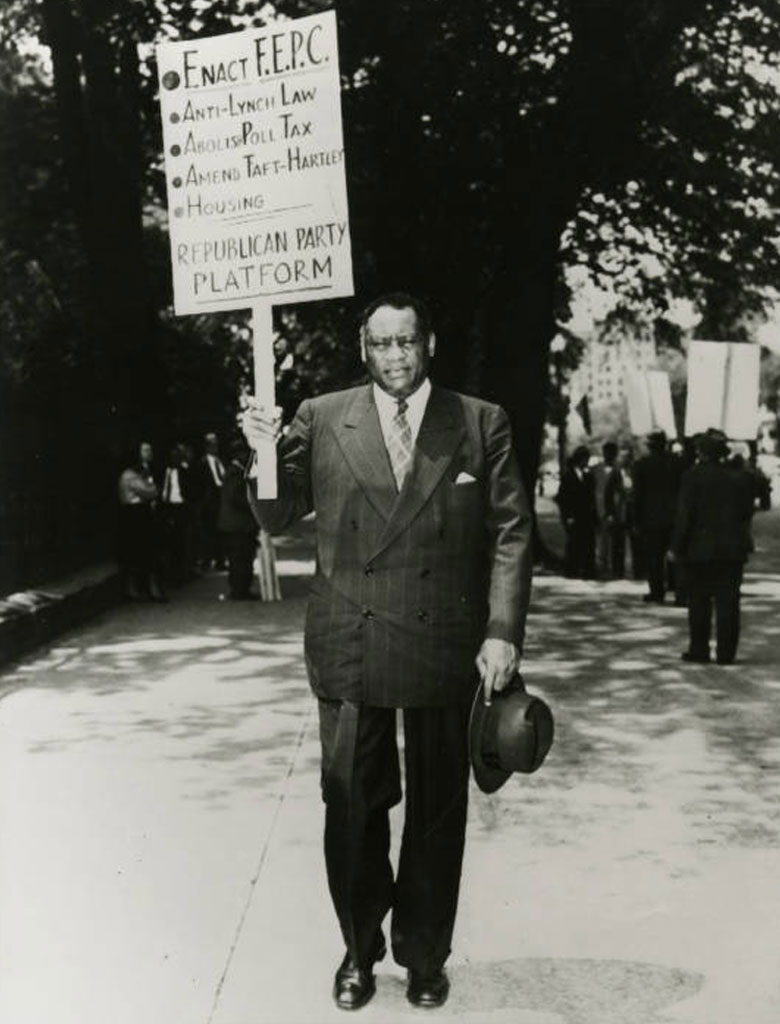
Activism and Social Justice Leadership
Robeson used his fame to advocate for civil rights, labor rights, and global peace. He spoke against racial discrimination in the United States and supported struggles for freedom among oppressed communities worldwide. His political views led to controversy during the Cold War, and his passport was revoked, limiting his ability to perform internationally.